
05
APR
Eco-Friendly Interior Design: Sustainable Living Features
“Practical design guidance for building a more thoughtful, comfortable, and polished living space.”
Eco-friendly interior design starts with thoughtful choices. Instead of replacing everything, consider what can be reused, restored, or upgraded. Existing furniture can often be refinished, reupholstered, or repositioned to reduce waste while still refreshing the space. Sustainable design is not only about materials; it is also about making decisions that last.
Materials matter. Choose durable furniture, low-VOC paints, responsibly sourced wood, natural fabrics, and finishes that age well. A sustainable home should not only look good on the first day, it should continue to perform well for years. Long-lasting pieces reduce the need for frequent replacement and often feel better in daily use.
Energy efficiency is another important part of eco-friendly interiors. LED lighting, proper window treatments, improved ventilation, and smart appliance choices can reduce energy use while improving comfort. Even simple changes, such as placing furniture to take advantage of daylight, can make a room feel brighter and more efficient.
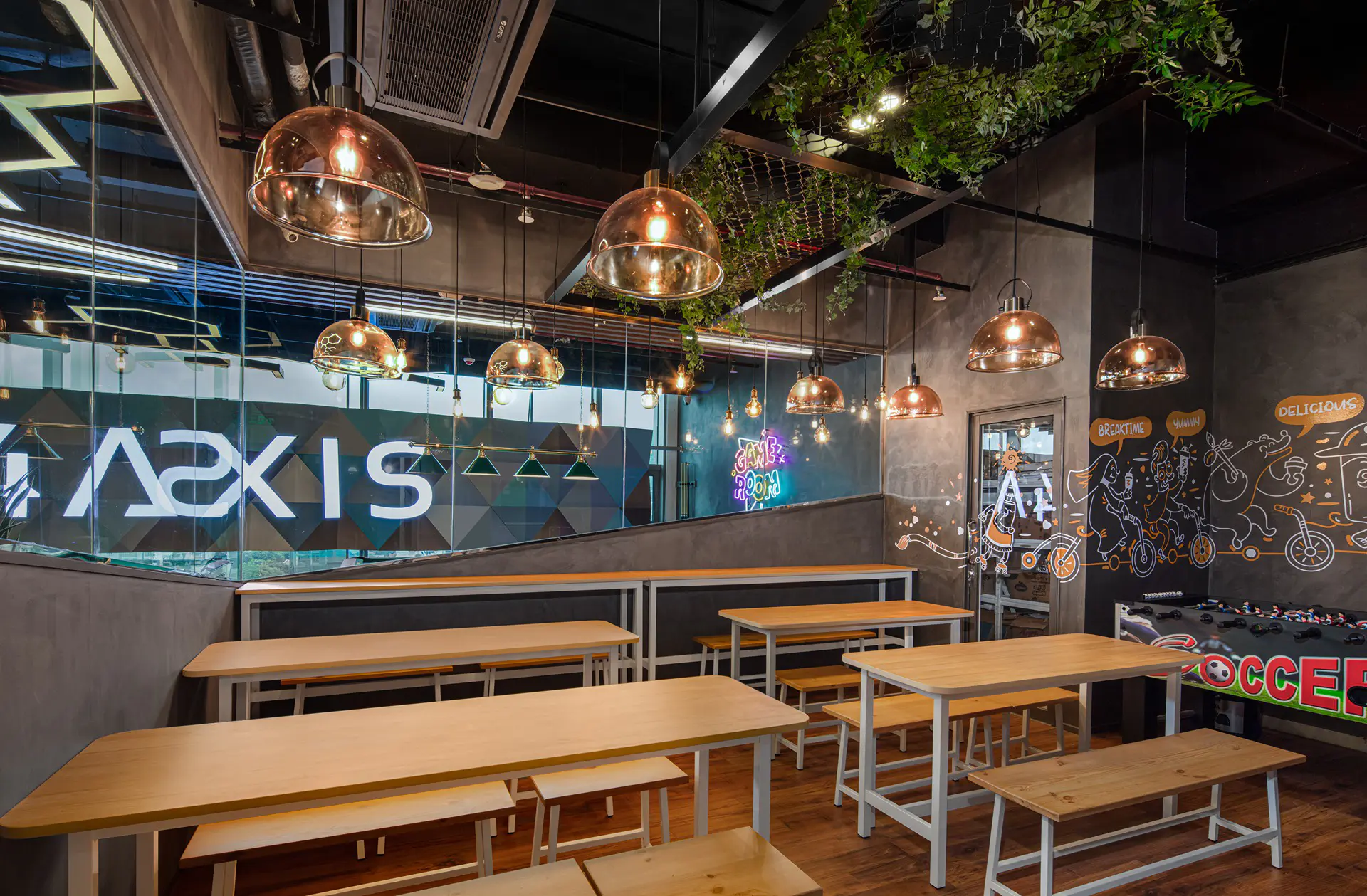
Indoor plants can also improve the atmosphere of a home. They add color, soften hard surfaces, and help create a closer connection to nature. When paired with natural materials like wood, cotton, jute, stone, and clay, greenery can make a space feel calm and grounded.
Sustainable design should never feel restrictive. With the right planning, it can be elegant, modern, and deeply comfortable. The goal is to create interiors that support healthier living, reduce unnecessary waste, and remain beautiful over time.